

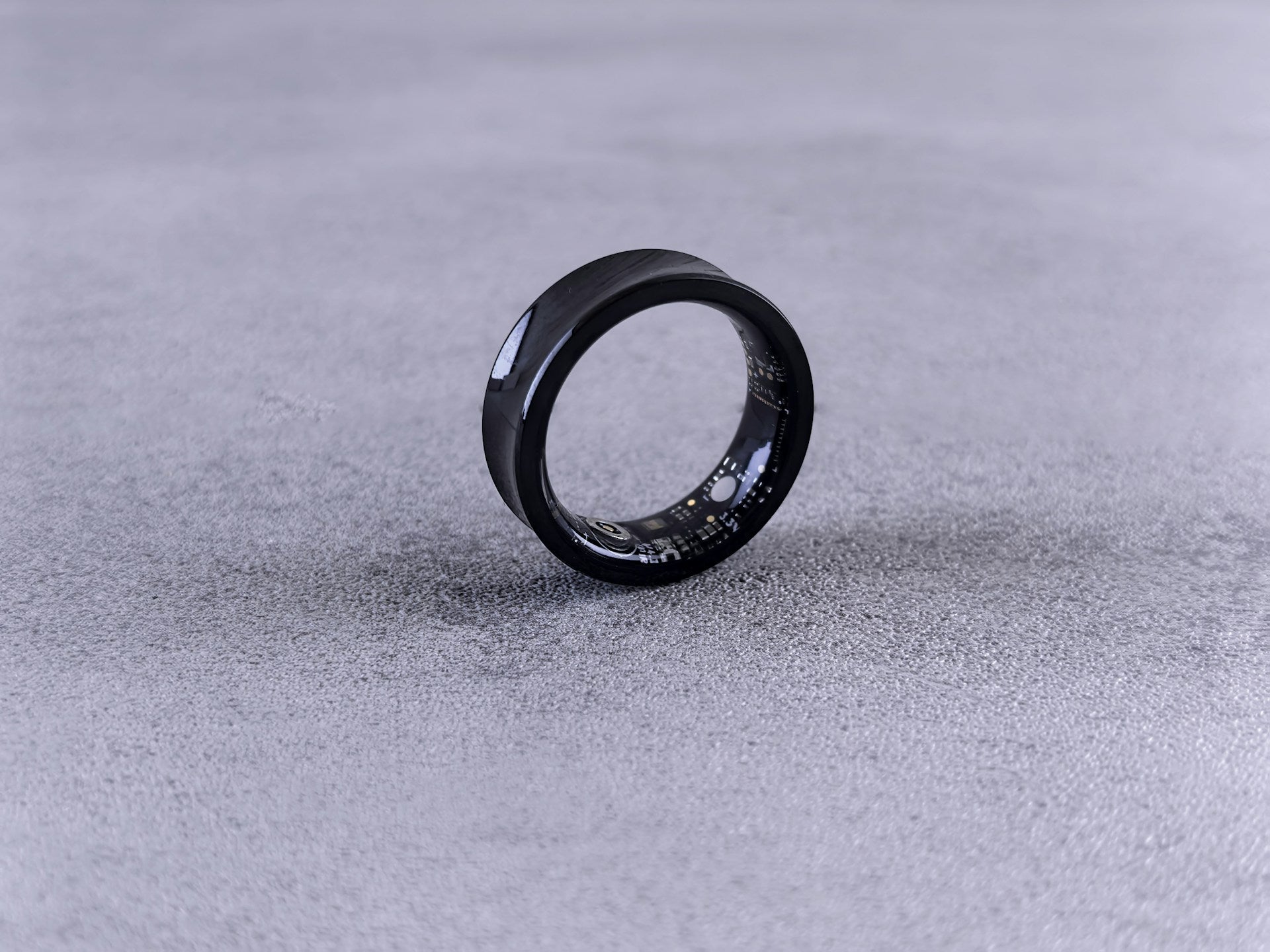
Imagine unlocking your phone, sharing your contact information, or triggering smart actions simply by tapping your finger. That is the power of an NFC ring, a discreet wearable that holds more capability than most people realize.
Most people are familiar with NFC cards or tags, but NFC rings remain less understood, even though they are one of the most convenient and versatile wearable tech options. Their small size, hands-free use, and always-with-you design make them ideal for fast, everyday interactions.
This guide explains what NFC rings are, how they work, what you can do with them, and whether they are worth using for networking, contactless payments, or daily automation. By the end, you will know exactly when an NFC ring is the right tool for your routine.
What Is an NFC Ring?

An NFC ring is a small wearable device that contains a passive NFC chip and antenna built directly into the band. It works by tapping or placing the ring close to an NFC-enabled smartphone, tablet, door lock, or reader.
Because the chip is passive, it does not require a battery, charging, or an app for basic functionality. The ring simply activates when it comes within a few centimeters of a device that can read NFC signals.
NFC rings are designed to make everyday interactions faster and more convenient. Instead of pulling out a card, unlocking your phone, or opening an app, you can trigger actions instantly with the movement of your hand.
Typical Materials
NFC rings come in a range of materials, each offering its own style, durability, and comfort:
- Ceramic, which provides a premium feel, strong durability, and resistance to scratches.
- Silicone, which offers flexibility, comfort, and a lightweight design for active or everyday use.
- Metal with insulation layers, which helps prevent signal interference that occurs when standard metal blocks NFC communication.
- Hybrid composites, which blend multiple materials to achieve both style and high performance.
These materials allow NFC rings to function reliably while still offering a stylish, modern look suitable for daily wear.
How Do NFC Rings Work?
An NFC ring works by using the same Near Field Communication technology found in cards, stickers, and smartphones. It is designed for very close-range interactions, allowing you to trigger actions simply by bringing your hand near an NFC-enabled device. Because the chip inside the ring is passive, it relies on the reader’s power to activate, which makes the ring completely battery-free and maintenance-free.
The Technology Behind NFC Rings
NFC rings use the 13.56 MHz RFID standard, the same frequency used in most contactless devices. When the ring comes within roughly 1 to 4 centimeters of a compatible phone or reader, the device energises the chip and reads the data stored on it. This data might be a URL, a vCard, an ID string, a shortcut, or a small automation script, and the device instantly performs the associated action.
The communication is fast, secure, and limited to very close proximity, which helps prevent accidental scans or unwanted activations.
Important Notes About NFC Ring Performance
NFC rings function as passive tags, meaning they do not broadcast signals, track your location, or communicate unless a device is deliberately brought close to them. Almost all modern smartphones can read NFC rings instantly, although performance can vary depending on antenna placement on the phone.
It is also worth noting that metal can interfere with NFC signals, which is why metal rings require special insulation layers or hybrid construction to work properly. High-quality NFC rings are engineered to avoid this issue, ensuring reliable scans every time.
What Can You Do With an NFC Ring?

An NFC ring is more than a piece of jewelry. It is a small, always-with-you tool that can handle many of the same tasks as an NFC business card, but with hands-free convenience. The versatility of NFC ring uses is one of the main reasons this wearable tech is becoming more popular for networking, automation, and everyday interactions.
- Share contact information instantly. Tap your ring to someone’s phone to open your digital business card or profile, perfect for networking without needing a physical card.
- Launch URLs or social profiles. Direct people to your website, portfolio, or social media accounts with a single tap of your hand.
- Make contactless payments. Some specialized contactless payment rings support tap-to-pay functionality, depending on your region and payment provider.
- Trigger smart automations. Use your ring to turn on Wi-Fi, open specific apps, connect to Bluetooth devices, or activate phone routines.
- Enable digital access and device unlocking. Unlock compatible smart locks or quickly pair with NFC-enabled laptops and apps.
- Store health, safety, and medical information. Keep emergency contacts or medical ID details accessible in case of an accident or emergency.
Since an NFC ring stays on your finger at all times, it gives you quick, effortless access to essential actions without needing your phone in hand. Whether you are sharing your details, automating tasks, or using a smart ring for contactless payment, the convenience and speed make NFC rings a powerful tool for daily life.
Types of NFC Rings
NFC rings come in several variations, each designed for different needs and levels of functionality. From simple data-sharing rings to advanced contactless payment rings, the type you choose depends on how you plan to use the technology.
Standard NFC Rings
Standard NFC rings store basic data such as URLs, vCards, and simple text commands. They are ideal for networking, launching links, and setting up everyday automations. These are the most common and beginner-friendly options for anyone exploring NFC ring uses.
Secure NFC Rings
Secure NFC rings support encryption or advanced authentication features. They are commonly used for access control systems, secure identification, or environments where data protection is a priority. These rings are designed to work with compatible smart locks, doors, and enterprise systems.
Payment NFC Rings
Payment NFC rings contain secure elements that allow them to function as smart rings for contactless payment. They must be certified by banks or payment networks to ensure security. Availability varies by region, and not every country or provider supports them.
Custom or Designer NFC Rings
Custom and designer NFC rings offer personalization options such as engraving, colors, or branding. They are often chosen for promotional events, corporate gifting, or as premium wearable accessories. Despite their stylish appearance, they function just like standard NFC rings.
Pros and Cons of NFC Rings
NFC rings are powerful wearables, but they are not perfect for every situation. Understanding their advantages and limitations will help you decide whether they match your daily needs.
Pros
- Hands-free convenience. You can trigger actions without taking out your phone or card.
- Always available. Since you wear the ring at all times, you never forget or misplace it.
- Fast tap interactions. Ideal for quick sharing, automation, or access.
- No battery or charging. The passive chip works indefinitely with no maintenance.
- Discreet and stylish. A functional tool that also acts as a piece of jewelry.
Cons
- Metal interference. Poor-quality metal rings may struggle with signal performance.
- Device compatibility. Some older or budget phones may not read NFC reliably.
- Not ideal for distance interactions. Rings require close-range tapping, unlike QR codes.
- Payment support varies. Not all regions or banks support contactless payment rings.
NFC Ring vs NFC Card vs NFC Sticker
NFC rings are just one form of NFC wearable technology. Cards and stickers offer similar functionality but suit different situations. Here is how they compare, helping you choose the right option for your needs.
NFC Ring
- Best for: Hands-free use, networking, automations, and daily wear.
- Strengths: Always accessible, discreet, durable, and no setup required.
- Limitations: Must be tapped very closely, limited space for inscriptions or branding.
NFC Card
- Best for: Professional networking, events, and client interactions.
- Strengths: Large surface for branding, easy to tap on phones, high scan reliability.
- Limitations: Must be carried separately, can be misplaced like any card.
NFC Sticker
- Best for: Products, packaging, displays, home or office automations.
- Strengths: Very affordable, easy to place anywhere, ideal for fixed locations.
- Limitations: Not wearable, can be damaged by weather or repeated handling.
Enhancing Your Experience with Contact Co.

Contact Co. makes NFC rings even more powerful by pairing them with a dynamic digital profile that opens instantly with a tap. You can share contact details, social links, and profiles in seconds, all without needing a physical business card. Your information updates through the app, and the changes appear immediately on both the ring and any paired devices, with no reprogramming required.
Each ring is designed for durability and everyday wear, making it ideal for networking, events, and fast-paced environments. For maximum versatility, you can combine an NFC ring with a card or sticker so people can tap, scan, or interact in the way that suits them best.
Final Thoughts
NFC rings are convenient, stylish wearables that make digital sharing and automation effortless. Whether you want to streamline networking, trigger smart actions, or store essential information, an NFC ring offers a futuristic, frictionless experience that fits naturally into daily life.
Curious how effortless tap-to-share can really be? Try out Contact Co.’s NFC rings and experience instant, hands-free sharing that fits right into your everyday routine.


Share:
QR Codes vs. NFC: What's the Difference?
Modern Business Cards For Entrepreneurs